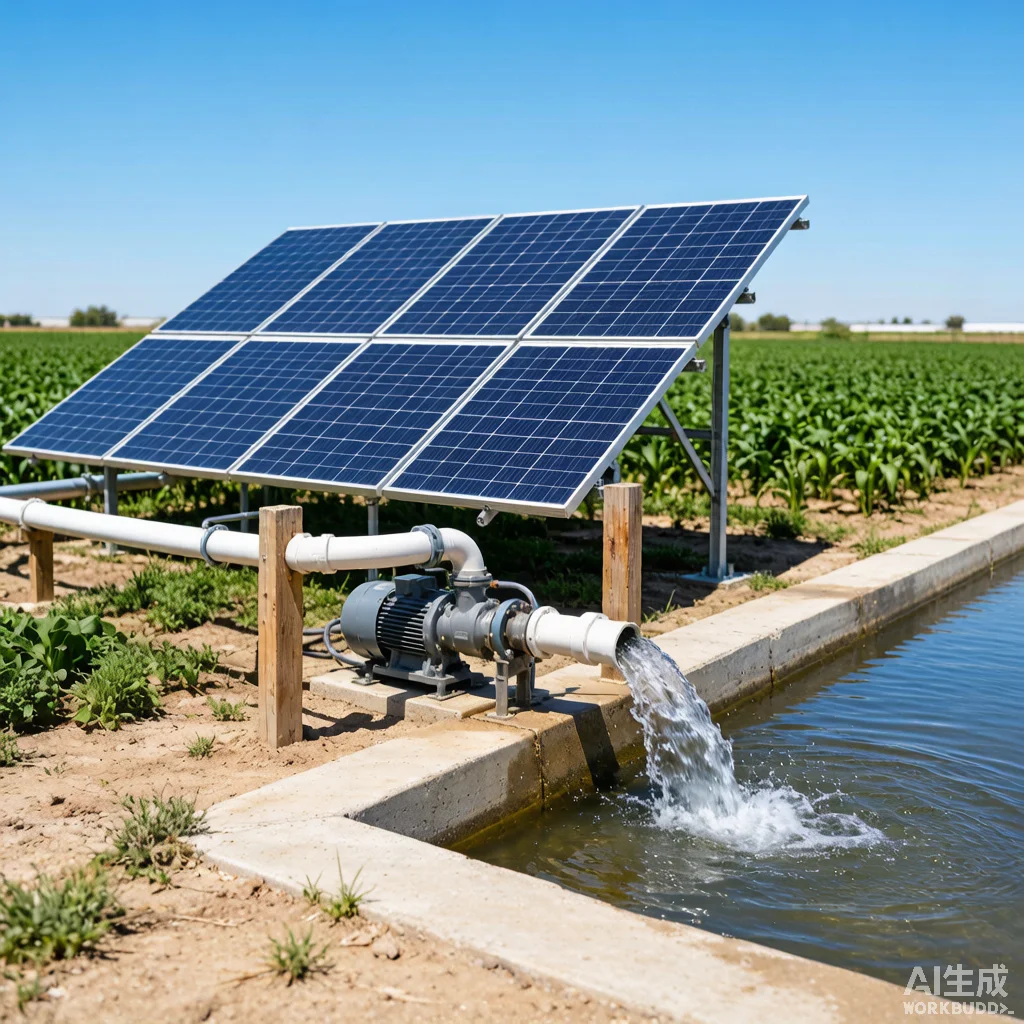
The Environmental Impact of Solar Water Pumps: Carbon Reduction Analysis and ESG Value
Introduction
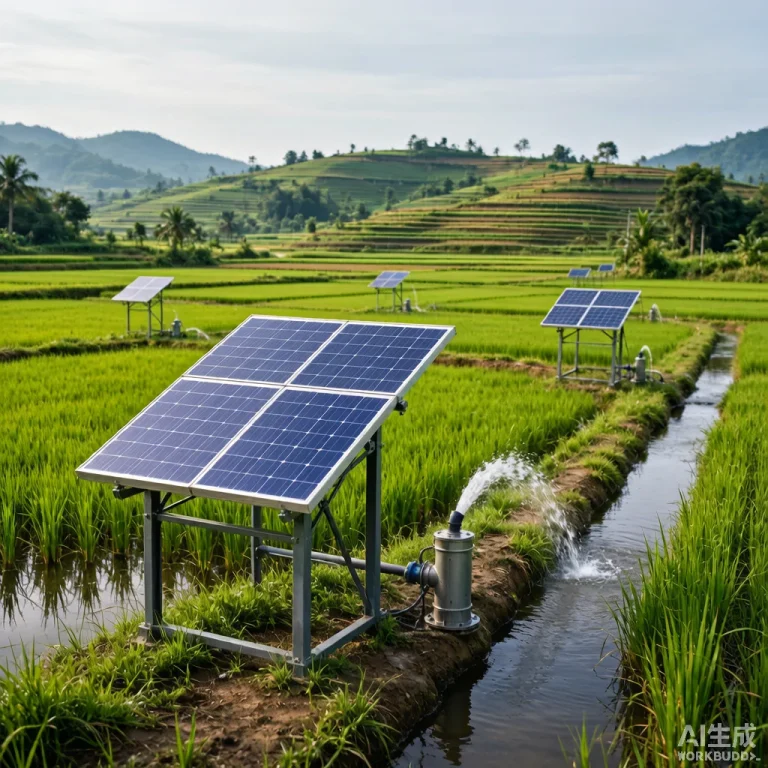
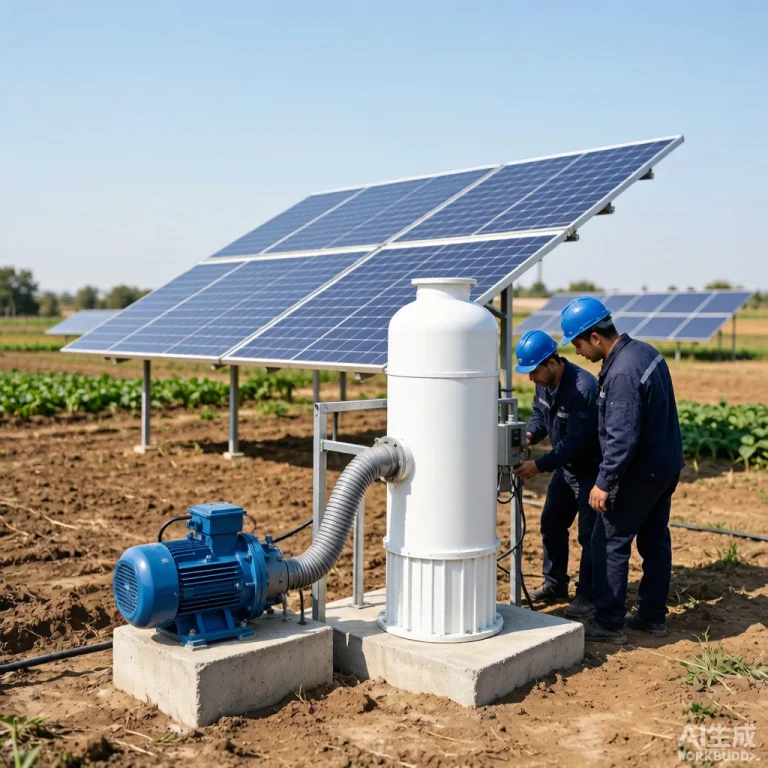
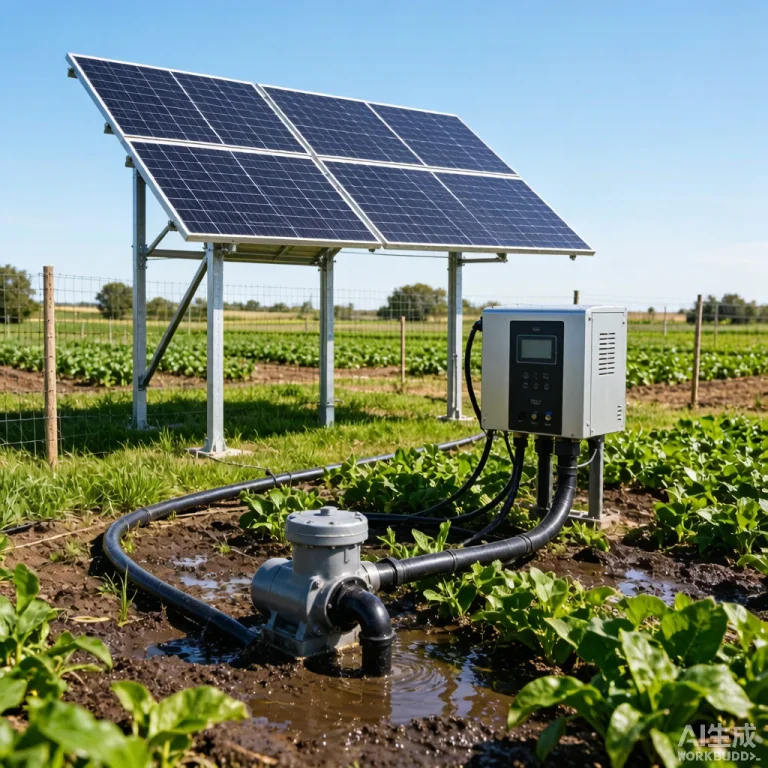
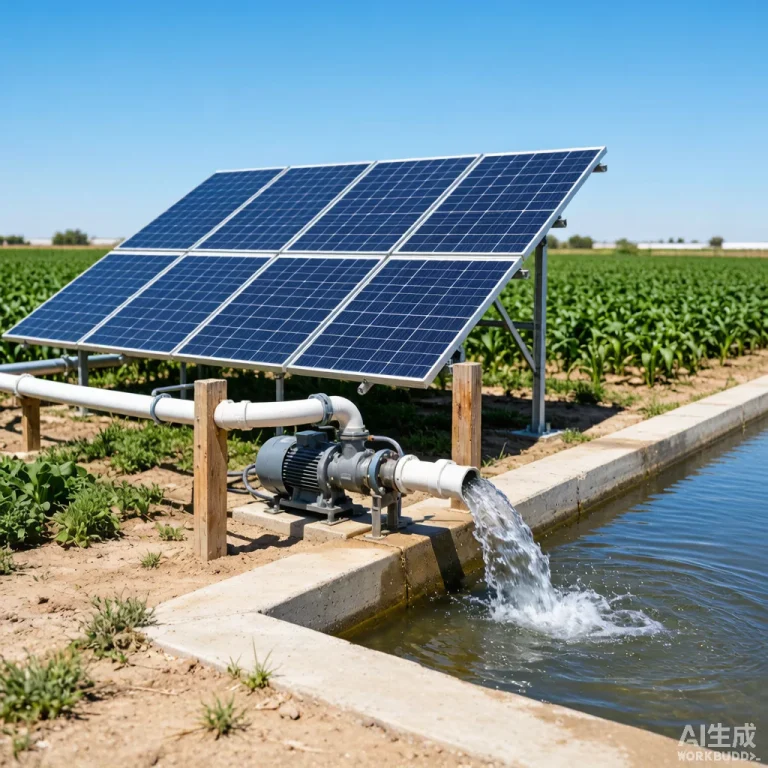
Beyond the compelling economics, solar water pumps deliver quantifiable environmental benefits that are increasingly valued by carbon-conscious procurement organizations, ESG-focused investors, and carbon credit markets. A single 5 kW solar pump displacing diesel consumption avoids approximately 5.8 tonnes of CO₂ equivalent annually—multiplied across a fleet of 100 pumps, that impact reaches 580 tonnes per year. KINBO solar pumps contribute to verified emission reduction projects across multiple international carbon registries.
Table of Contents
Carbon Emissions by the Numbers
| System Size | Annual Diesel Displaced (L) | CO₂ Avoided (tonnes/year) | 10-Year CO₂ Avoided |
|---|---|---|---|
| 1.5 kW (small farm) | 900 | 2.4 | 24 tonnes |
| 3 kW (medium farm) | 1,800 | 4.8 | 48 tonnes |
| 5.5 kW (large farm) | 3,200 | 8.5 | 85 tonnes |
| 15 kW (community/estate) | 8,500 | 22.7 | 227 tonnes |
Calculations based on diesel emission factor of 2.68 kg CO₂/L (direct combustion) plus 15% for extraction, refining, and transport. Values represent conservative estimates.
Full Lifecycle Analysis
A comprehensive lifecycle assessment accounts for the embodied carbon in manufacturing the solar panels (approximately 500-600 kg CO₂-eq per kWp for modern mono PERC panels), the pump unit (200-400 kg CO₂-eq for a 3 kW stainless steel pump), and transportation to the installation site. These upfront emissions are recovered within 6-12 months of operation through displaced diesel consumption. Over a 25-year system life (matching the panel warranty period), the net carbon abatement is 95-97% of gross avoided emissions—making solar pumping one of the highest carbon-return-on-investment technologies available. See our ROI analysis for the economic parallel to these environmental calculations.
Carbon Credit Revenue Opportunities
Voluntary carbon markets currently price agricultural emission reductions at $8-15 per tonne CO₂-eq (2026 rates). A 5 kW solar pump generating 8.5 tonnes of verified emission reductions annually can earn $68-128/year in carbon credit revenue—modest today, but projected to rise to $20-40/tonne as compliance markets expand. At $30/tonne, annual carbon revenue of $255 adds 3-5% to the project’s already-attractive ROI. The Gold Standard and Verra (VCS) are the dominant certification standards. Aggregation is key: individual pumps generate too little carbon revenue to justify the $15,000-25,000 certification and verification costs, but programs bundling 500+ pumps into a single carbon project achieve viable economics.
ESG Reporting Value
For corporate buyers with ESG commitments, solar pumping generates Scope 3 (supply chain) emission reductions that can be claimed in sustainability reporting. A coffee exporter installing 200 solar pumps across its smallholder supplier network avoids 1,700 tonnes CO₂ annually—a material contribution to corporate net-zero targets. The narrative value often exceeds the financial value: “we converted our entire supplier irrigation network to solar” resonates with consumers and investors in ways that incremental efficiency improvements do not.
Frequently Asked Questions
Q: How are solar pump emission reductions verified?
A: Independent auditors verify baseline diesel consumption through fuel receipts or pump runtime logs, confirm solar system installation and operation, and apply approved methodologies (Gold Standard Methodology for Renewable Energy Supply, or VCS VM0038). Verification occurs annually for the 7-10 year crediting period.
Q: Can smallholder solar pumps qualify for carbon credits?
A: Yes, through programmatic approaches that aggregate hundreds or thousands of pumps under a single carbon project. Individual smallholder pumps cannot justify certification costs alone, but bundled projects are increasingly common, particularly in East Africa and India.
Q: Does embodied carbon in panel manufacturing negate the environmental benefit?
A: No. The embodied carbon payback period is 6-12 months of diesel displacement. Over a 25-year panel life, net carbon abatement exceeds 95% of gross avoided emissions.
For B2B organizations pursuing carbon credit certification or ESG-linked solar pump procurement, contact KINBO for project documentation and emission factor certification.
Related Articles
- Solar Water Pump ROI Analysis
- Advantages of Solar Irrigation Pumps
- Explore KINBO Solar Submersible Pumps