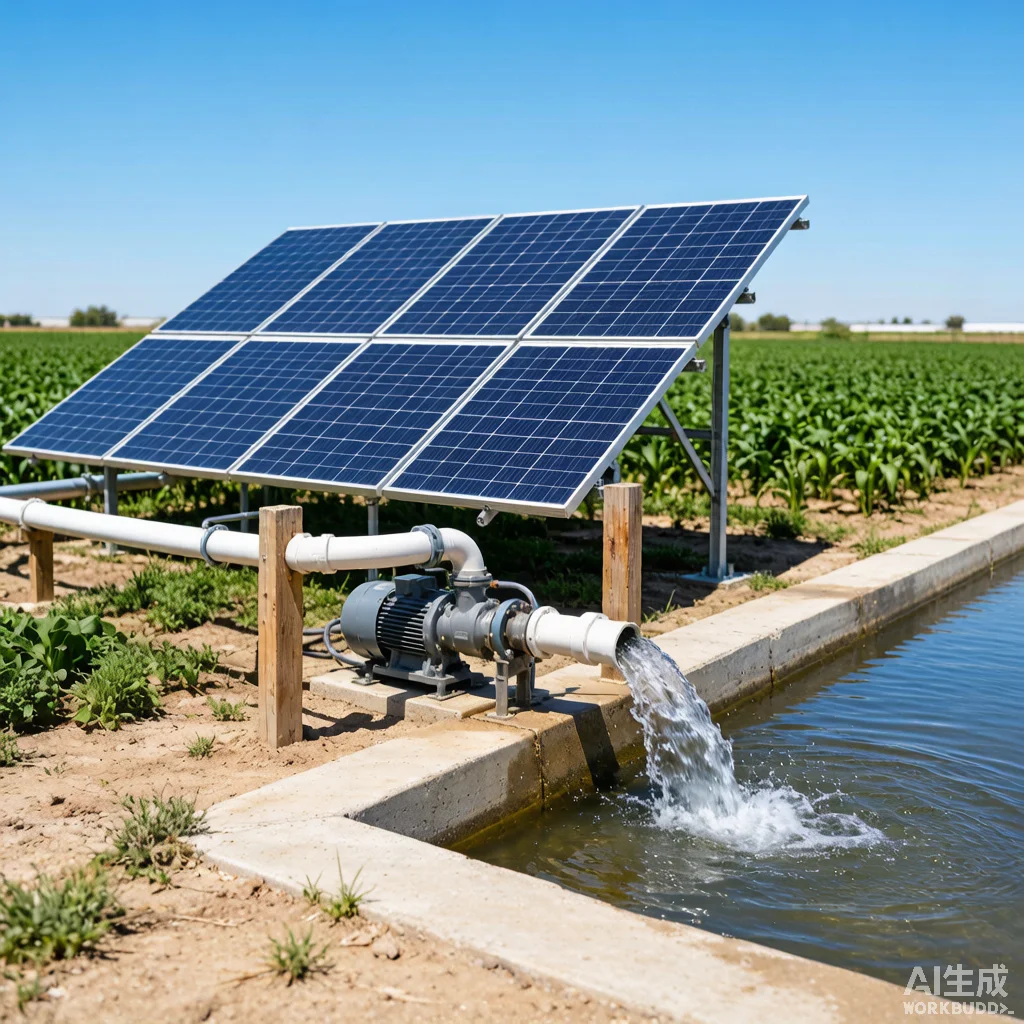
Agricultural Solar Pump Schemes in South Asia: Government Subsidies and Implementation Guide
Introduction
Government subsidy programs across South Asia are driving the world’s fastest solar pump adoption—India alone has deployed over 400,000 solar pumps through its PM-KUSUM scheme, while Bangladesh, Nepal, and Pakistan are scaling their own programs. For B2B manufacturers and importers, understanding these subsidy mechanisms is essential to accessing a market projected to exceed 2 million units by 2030. KINBO supplies solar pumps that meet the technical specifications of major South Asian subsidy programs.
Table of Contents
India’s PM-KUSUM Scheme
PM-KUSUM (Pradhan Mantri Kisan Urja Suraksha evam Utthaan Mahabhiyan) is the world’s largest solar pump subsidy program, targeting 2.75 million solar pumps by 2026. Component B provides 60% subsidy (30% central, 30% state) on solar pumps up to 7.5 HP (5.5 kW), with the farmer contributing 40%. The program mandates minimum efficiency standards, 5-year comprehensive warranty, and local service center within 50 km. For B2B suppliers, the key requirements are BIS (Bureau of Indian Standards) certification, MNRE (Ministry of New and Renewable Energy) approved vendor status, and demonstrated manufacturing capacity of 5,000+ units annually.
Bangladesh and Nepal Programs
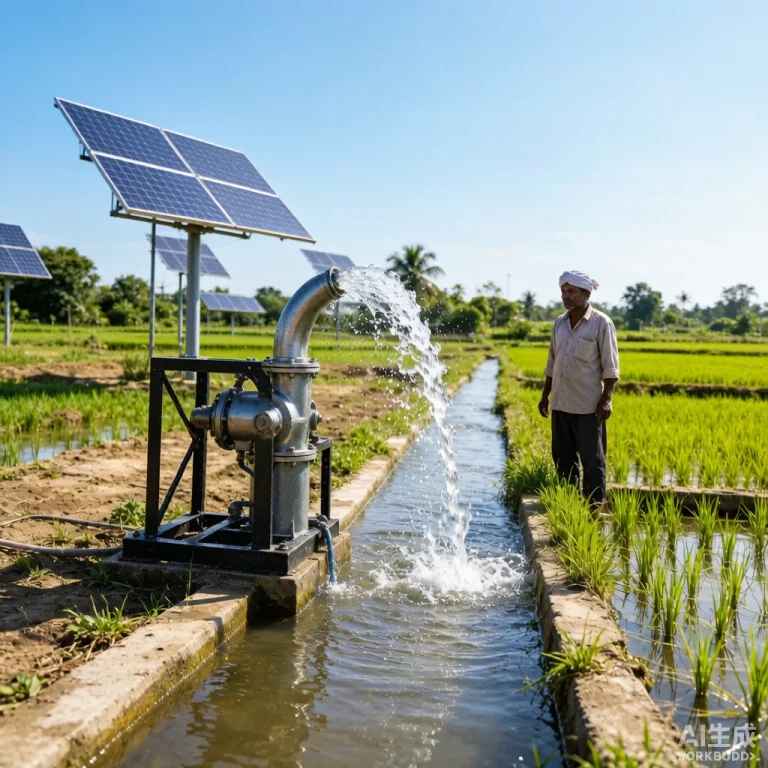
Bangladesh’s IDCOL (Infrastructure Development Company Limited) Solar Irrigation Program provides 50% grant + 35% concessional loan financing, with the farmer contributing 15%. The program has deployed 2,500+ pumps since 2018, focusing on replacing diesel pumps in rice irrigation. Nepal’s Alternative Energy Promotion Centre (AEPC) offers 40-60% subsidy on solar pumps through its Renewable Energy Subsidy Policy, with higher subsidy rates for remote mountain districts where diesel transport costs are extreme. For more context on regional economics, see our solar pump ROI analysis.
Technical Specifications Required
| Requirement | India (PM-KUSUM) | Bangladesh (IDCOL) |
|---|---|---|
| Pump Efficiency | Min 50% wire-to-water at rated point | Min 45% at 70% of rated head |
| Panel Warranty | 25-year linear output warranty | 10-year product, 25-year output |
| Pump Warranty | 5 years comprehensive | 3 years minimum |
| Certification | BIS + MNRE approved vendor | IDCOL technical committee approval |
Supply Chain and Certification
Entering South Asian subsidy markets requires a 12-18 month lead time for certification and vendor approval. BIS certification involves factory audit, sample testing at BIS-recognized labs, and ongoing surveillance audits. MNRE vendor approval additionally requires demonstrated field performance of 100+ units. The most successful foreign suppliers partner with established Indian importers who hold the certifications and manage the tender process, while the manufacturer provides technical support and competitive FOB pricing. Local assembly or CKD (completely knocked down) kits can reduce landed costs by 15-25% through partial duty avoidance on components vs finished pumps.
Frequently Asked Questions
Q: Can foreign manufacturers apply directly for Indian government tenders?
A: Yes, but practical barriers are high. Tenders typically require local service infrastructure, performance bank guarantees from Indian banks, and demonstrated Indian market presence. Partnering with an established Indian importer-distributor is the most reliable entry strategy.
Q: What pump sizes are most subsidized?
A: 3 HP (2.2 kW) and 5 HP (3.7 kW) DC solar pumps dominate PM-KUSUM allocations, representing 70%+ of subsidized units. These sizes match the average landholding of 1-2 hectares that characterizes most Indian farms.
Q: How reliable are subsidy payments to suppliers?
A: Central government subsidy payments are generally reliable (60-90 day processing). State government portions vary significantly—some states clear within 90 days, others have 6-12 month arrears. Factor this cash flow lag into pricing and working capital planning.
For B2B manufacturers targeting South Asian solar pump subsidy markets, contact KINBO for certification support, technical specification compliance, and competitive FOB pricing.
Related Articles