North America Solar Water Pump Market Analysis 2026: Growth Drivers and Exporter Opportunities
North America Solar Water Pump Market Analysis 2026: Growth Drivers and Exporter Opportunities
Introduction
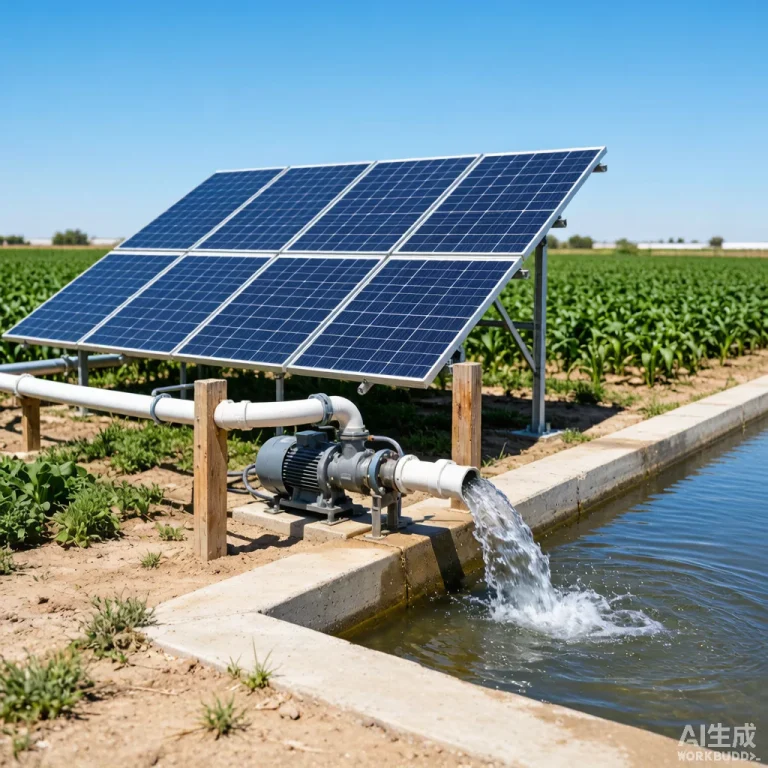
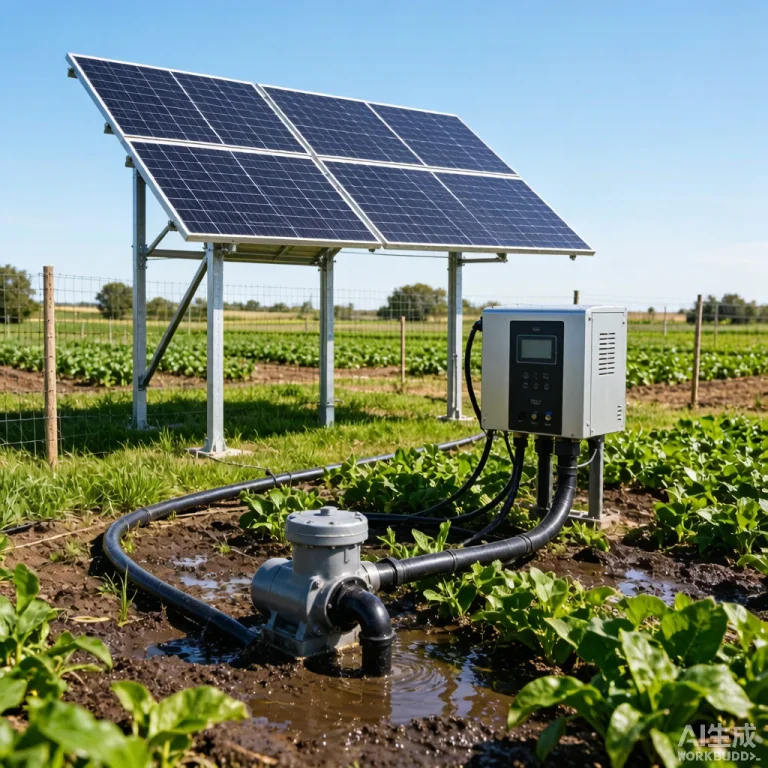
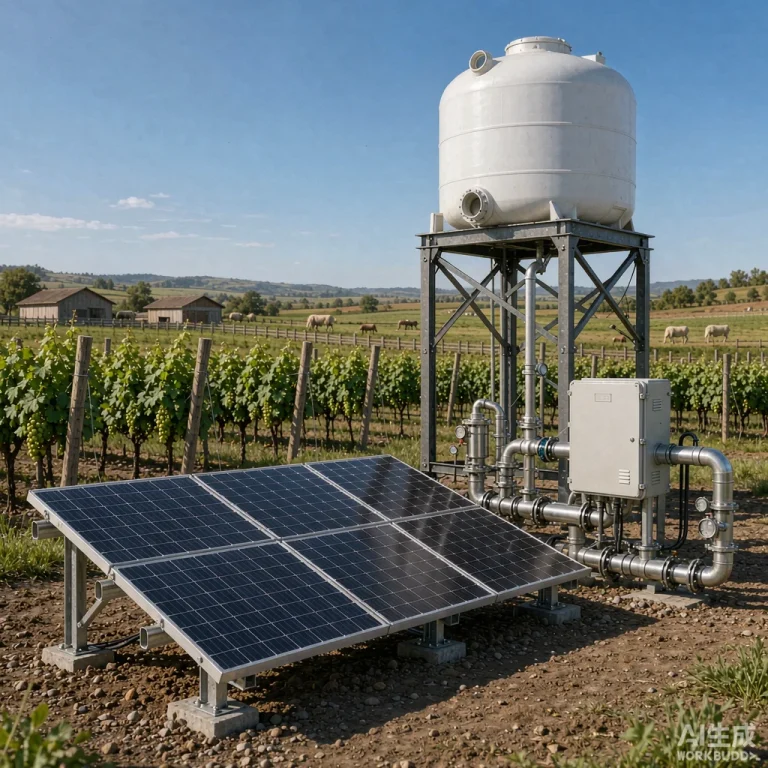
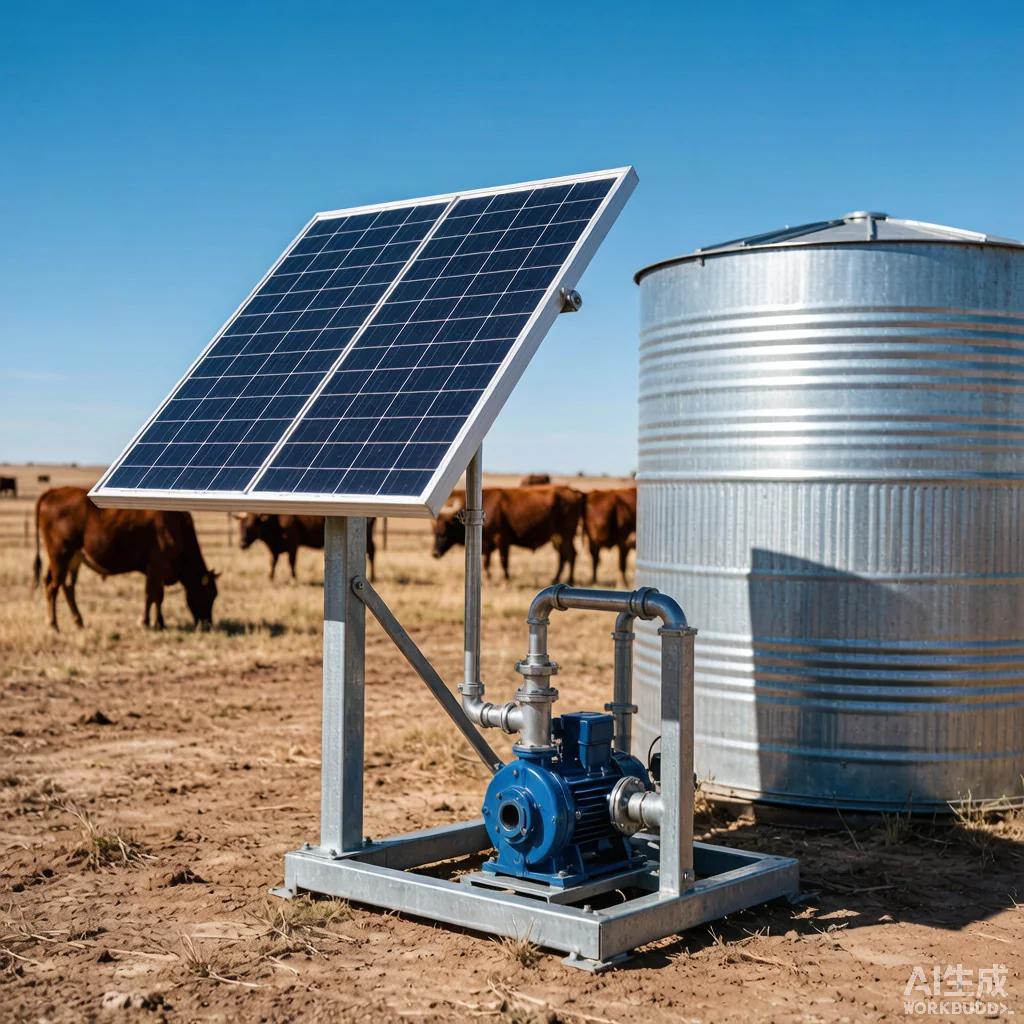
When most people think of solar water pumping, they picture off-grid villages in sub-Saharan Africa or irrigation in South Asia. Yet one of the fastest-maturing markets in 2026 is surprisingly close to home: North America. From cattle ranches in Texas and Alberta to vineyards in California and remote cabins in the Rockies, farmers and landowners are turning to solar pumps to cut energy bills, escape diesel dependence and reach water where the grid does not.
KINBO serves agricultural and rural water customers across multiple continents, and North America is an increasingly strategic destination for reliable, cost-effective solar pumping systems. This analysis examines the 2026 market dynamics, the policy levers accelerating adoption, and where exporters can win. For the policy context behind incentives, see our overview of global solar pump subsidy programs.
Table of Contents
Market Growth Drivers
North America’s solar pump market is different from emerging economies: buyers are not off-grid by necessity but by choice, chasing lower operating cost and resilience. Several forces converge in 2026.
- Energy cost volatility: Rising rural electricity tariffs and diesel prices make the lifetime cost of solar pumping compelling for high-volume users.
- Incentive stacking: Federal tax credits combined with state and provincial rebates sharply reduce payback periods.
- Remote and marginal land: Ranches and orchards on land far from grids use solar pumps where extending power lines costs tens of thousands of dollars per mile.
- Water stress: Drought cycles and groundwater restrictions push efficient, metered off-grid pumping.
- Resilience mindset: Power outages from storms drive demand for independent water security.
Key Application Segments
The North American market splits into distinct segments, each with different buyer behavior and product requirements.
| Segment | Typical Duty | Preferred Product | Buyer Priority |
|---|---|---|---|
| Livestock ranching | Stock watering, large tanks | DC surface & submersible | Reliability, low cost |
| Orchards & vineyards | Drip irrigation, pressure | AC/DC with VFD | Precision, efficiency |
| Rural residences | Domestic well supply | Submersible sets | Quiet, certified |
| Municipal / tribal | Community water points | Larger 3-phase sets | Service, compliance |
U.S. and Canada Incentives
Policy is the single biggest accelerator. In the United States, the federal Investment Tax Credit (ITC) effectively lowers the installed cost of a solar pumping system, while the Rural Energy for America Program (REAP) provides grants and guaranteed loans covering up to half of eligible project costs for farmers and rural businesses. Canada complements this with provincial clean-energy rebates and agricultural efficiency grants, particularly in prairie provinces with extensive irrigation.
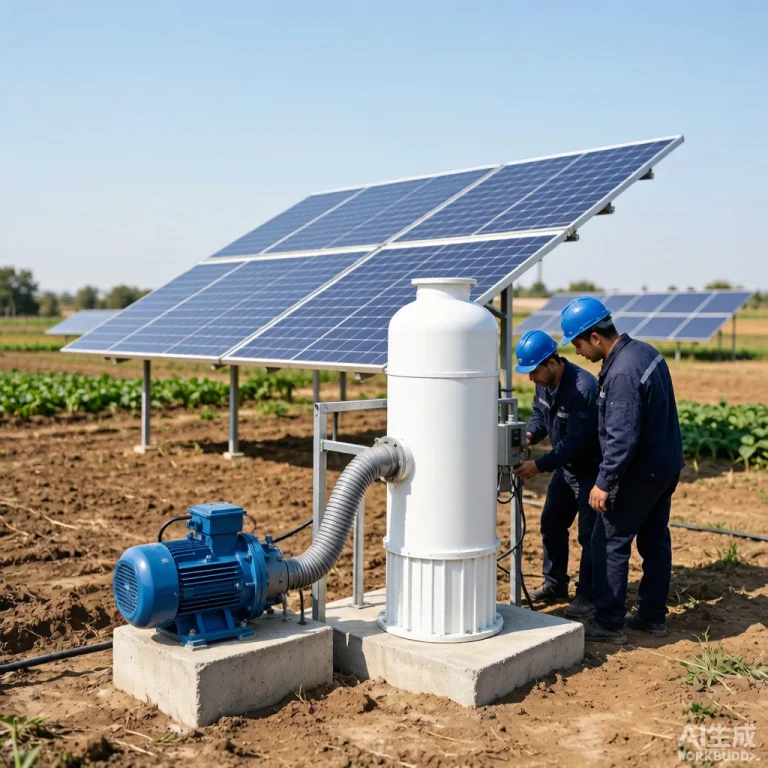
KINBO works with North American distributors to package systems that qualify for these programs, providing the documentation and specifications buyers need to claim incentives — a decisive factor at the point of purchase.
Opportunities for Exporters
For manufacturers outside North America, the market is open but demanding. Price competitiveness is real, yet winning requires more than a low quote:
- Certifications: UL and relevant electrical listings are expected for grid-interactive components; non-negotiable for municipal and residential buyers.
- Local service: A warranty is only as good as the nearest service partner. Exporters need distribution or service alliances.
- Spare parts: Quick availability of controllers and impellers builds trust in agricultural markets.
- Education: Many North American buyers are new to solar pumping and value clear sizing guidance and case studies.
The exporters who succeed treat North America as a relationship market, not a transaction market — investing in partners, support and compliance rather than competing purely on price.
Frequently Asked Questions
What is driving solar pump adoption in North America?
Three forces drive adoption: high and volatile grid electricity and diesel prices, generous federal and state incentives for renewable agricultural equipment, and the economics of remote wells where grid extension is prohibitively expensive. Drought and groundwater management programs also push farmers toward efficient off-grid pumping.
Which U.S. programs support solar water pumps?
The federal Investment Tax Credit (ITC) applies to solar systems including pumping, and the Rural Energy for America Program (REAP) offers grants and loan guarantees covering up to 50% of eligible project costs for agricultural producers and rural small businesses. Several states add further rebates for water-efficient irrigation.
Is the North American market open to imported pumps?
Yes. While several North American and European brands compete, price-sensitive agricultural and livestock buyers increasingly source reliable DC and AC/DC solar pump sets from established Asian manufacturers. Success requires certification (such as UL listings where required), local warranty support, and a distribution or service partner.
Want to Enter the North America Market?
The KINBO team supports distributors and project developers with certified, document-ready solar pumping systems and after-sales backing.
August 21, 2026 | Author: KINBO Editorial Team
Related Articles