Southeast Asia Solar Water Pump Market Analysis and Growth Opportunities 2026
Introduction
Southeast Asia is rapidly emerging as one of the most promising regions for solar water pump adoption, driven by deep agricultural dependence, persistent rural electrification gaps, and aggressive government renewable energy targets. With a combined population exceeding 680 million and an agricultural sector that employs over 30% of the regional workforce, the demand for reliable, off-grid water pumping solutions has never been higher. According to recent industry estimates, the Southeast Asia solar water pump market is projected to grow from approximately USD 320 million in 2024 to over USD 780 million by 2030, representing a compound annual growth rate (CAGR) of roughly 16.1%.
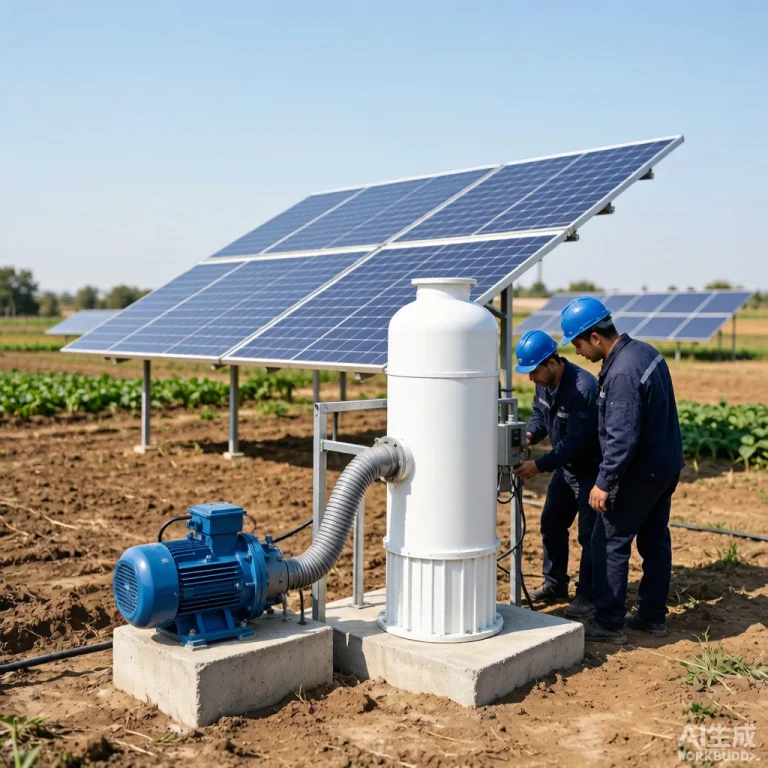
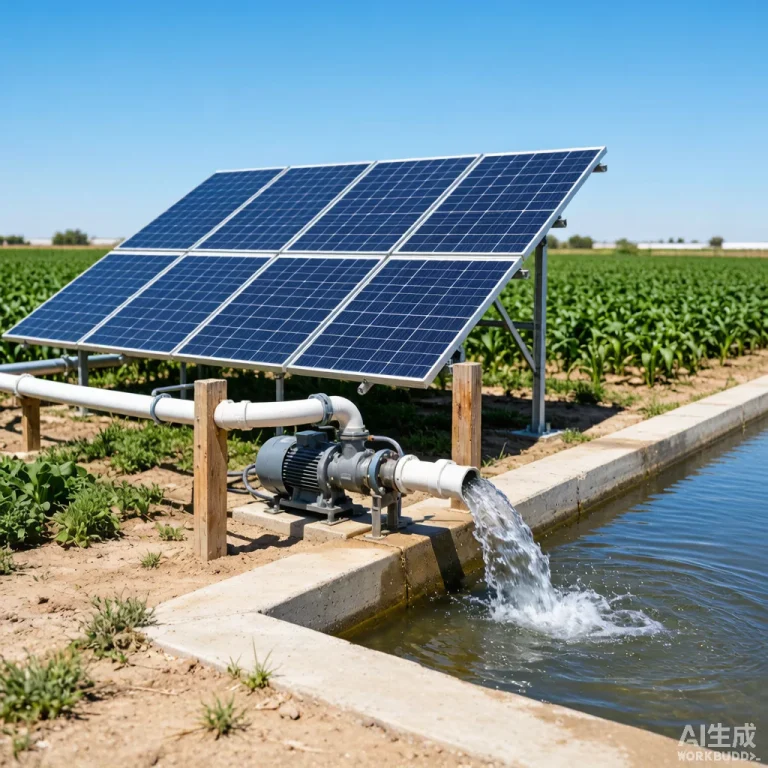
For manufacturers and B2B distributors, this region offers a rare convergence of policy support, financing availability, and genuine end-user demand. **KINBO**, as a specialized solar water pump manufacturer, has been actively expanding its footprint across key ASEAN markets, offering tailored solutions for rice irrigation, aquaculture, and rural water supply. Our comprehensive irrigation solutions are designed to meet the unique climatic and operational conditions found throughout Southeast Asia, where monsoon patterns and dry-season water scarcity create year-round pumping requirements.
Table of Contents
Southeast Asia Solar Pump Market Overview
The Southeast Asia solar water pump market is characterized by uneven but accelerating adoption across its member states. The region’s total addressable market for solar-powered pumping systems was valued at approximately USD 285 million in 2023 and is expected to surpass USD 780 million by 2030, growing at a CAGR of 15.8% from 2025 to 2030. This growth trajectory outpaces the global average of 11.2%, positioning Southeast Asia as a priority expansion zone for international manufacturers.
Indonesia leads the regional market with an estimated 34% share, supported by its massive archipelagic geography and over 7,000 off-grid villages reliant on diesel-powered pumping. Vietnam follows closely at approximately 24%, propelled by its Mekong Delta rice belt and growing aquaculture sector. Thailand accounts for roughly 16% of regional demand, driven by government-subsidized solar farm programs and a mature agricultural export industry. The Philippines contributes about 14%, with significant demand from rural coconut and sugarcane plantations. Cambodia, though smaller at approximately 7%, is posting the fastest year-over-year growth rate at 22.4%, fueled by international development funding and progressive rural electrification policies.
Collectively, these five nations represent over 95% of the region’s solar pump procurement volume, making them the primary target markets for B2B suppliers seeking entry or expansion in Southeast Asia.
Key Growth Drivers
Several converging factors are accelerating solar water pump adoption across Southeast Asia:
- Agricultural dependence: Agriculture contributes between 8% and 22% of GDP across ASEAN-5 nations. Rice cultivation alone accounts for over 47 million hectares of irrigated land in the region, creating enormous demand for cost-effective water lifting solutions that reduce diesel fuel expenses.
- Rural electrification gaps: Despite national grid expansion efforts, an estimated 42 million people in Southeast Asia still lack reliable electricity access. Solar pumps bypass grid dependency entirely, making them the preferred solution for remote farming communities in Indonesia’s eastern islands, Cambodia’s northern provinces, and the Philippine archipelago.
- Government renewable energy policies: Indonesia’s target of 23% renewable energy by 2025, Vietnam’s Power Development Plan VIII, Thailand’s Alternative Energy Development Plan, and the Philippines’ Renewable Energy Act all include provisions that directly or indirectly incentivize solar pump deployment through tax exemptions, feed-in tariffs, and capital subsidies.
- International funding programs: The Asian Development Bank (ADB), World Bank, and various Green Climate Fund initiatives have collectively committed over USD 2.3 billion to rural energy and water infrastructure projects in Southeast Asia, with solar pumping systems featured prominently in program scopes.
- Diesel cost volatility: Diesel prices in the region have fluctuated between USD 0.75 and USD 1.30 per liter since 2022. Solar pumps eliminate fuel costs entirely, offering payback periods of 2.5 to 4 years for most agricultural applications.
Market Segmentation by Application
The Southeast Asia solar pump market can be segmented into four primary application categories, each with distinct demand characteristics, growth profiles, and technical requirements. Understanding these segments is critical for B2B suppliers seeking to align product portfolios with regional procurement patterns.
| Segment | Market Share | Growth Rate (CAGR) | Key Countries | Typical Pump Power Range |
|---|---|---|---|---|
| Rice Irrigation | 41% | 15.2% | Vietnam, Indonesia, Thailand, Cambodia | 1.5 kW – 7.5 kW |
| Aquaculture | 26% | 18.7% | Vietnam, Thailand, Indonesia, Philippines | 2.2 kW – 11 kW |
| Rural Water Supply | 22% | 14.1% | Indonesia, Philippines, Cambodia | 0.5 kW – 3 kW |
| Industrial | 11% | 19.5% | Thailand, Indonesia, Vietnam | 7.5 kW – 55 kW |
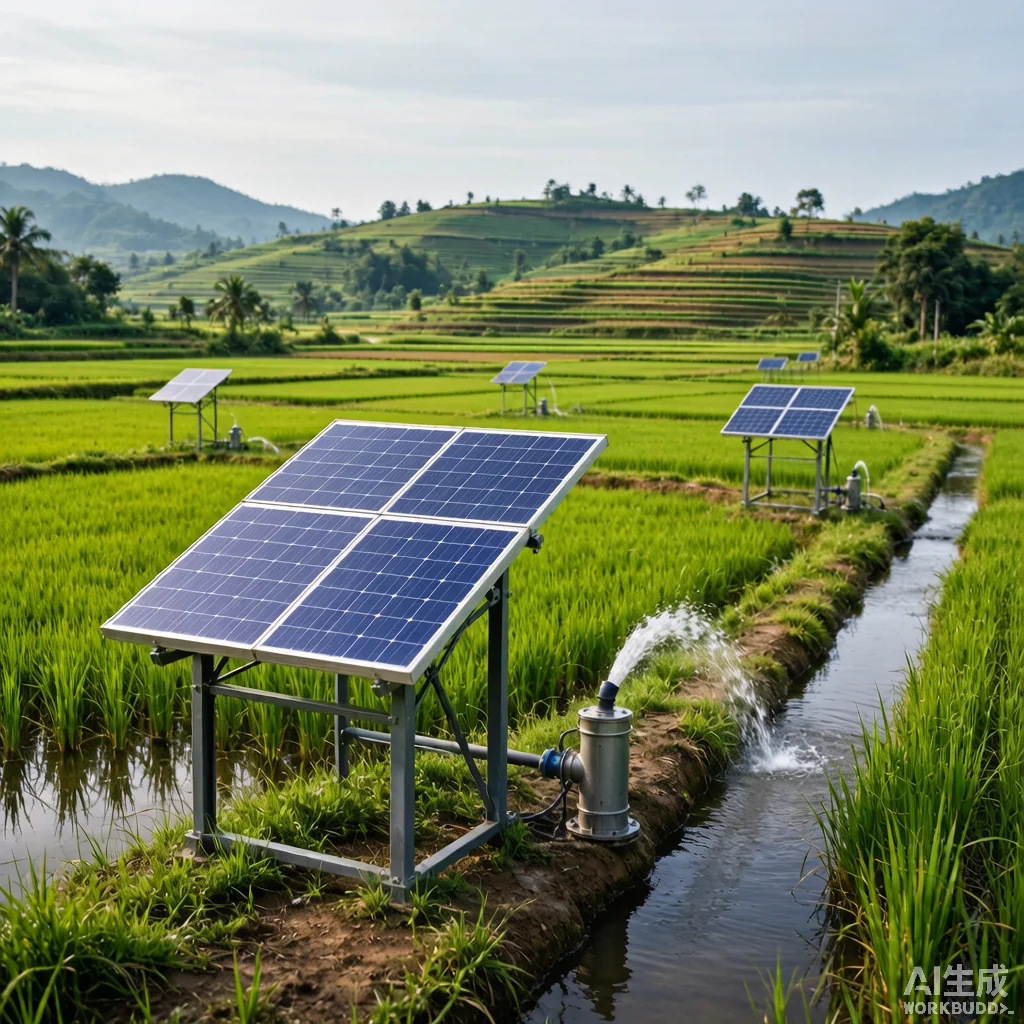
Rice irrigation dominates the market due to the region’s status as the world’s rice bowl, accounting for over 25% of global rice production. However, aquaculture and industrial applications are growing fastest, reflecting Southeast Asia’s position as the leading global producer of farmed seafood and the rapid expansion of agro-processing industries requiring process water in off-grid locations. **KINBO** offers a full spectrum of solar pumping solutions across all four segments, with product lines engineered for the high-sediment water conditions common in Mekong and Red River delta environments.
Competitive Landscape and Import Trends
The Southeast Asia solar pump market is highly competitive, with over 60 active suppliers spanning Chinese, Indian, European, and increasingly local manufacturers. Chinese suppliers currently hold approximately 55% of regional market share by volume, leveraging cost advantages of 25-35% over European brands. Indian manufacturers account for roughly 12%, while European and Japanese brands collectively command about 18%, primarily in the premium industrial segment.
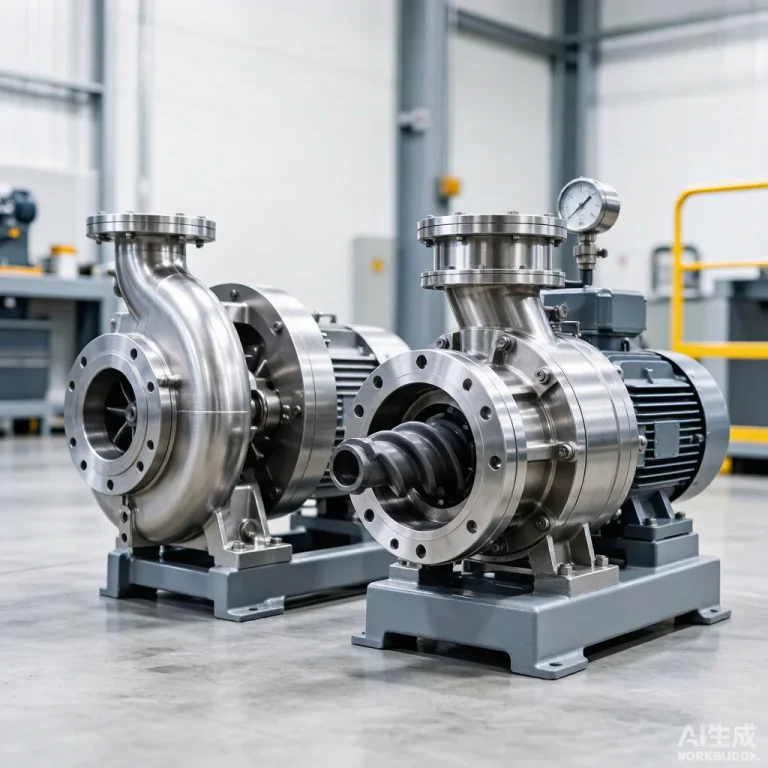
Key suppliers in the region include KINBO, Lorentz, Grundfos, Shakti Pumps, C.R.I. Pumps, and Franklin Electric, alongside regional brands such as PT Surya Pertiwa (Indonesia) and WILO Vietnam. The competitive intensity is rising as more Chinese and Indian manufacturers establish local warehousing and assembly operations.
Tariff structures vary significantly across the region. Indonesia applies a 0% import duty on renewable energy equipment under its BKPM one-stop investment facility, though a 10% VAT applies. Vietnam imposes import duties ranging from 5% to 10% on solar pump components, with preferential rates available under ASEAN Trade in Goods Agreement (ATIGA) certificates. Thailand maintains a 5% tariff on complete solar pump systems, while the Philippines enforces a 3% duty under its renewable energy equipment provisions.
Certification requirements are becoming increasingly stringent. Indonesia requires SNI certification for electrical pumping equipment. Vietnam mandates TCVN compliance for imported water pumps, while Thailand requires TISI marking for products sold through government procurement channels. The Philippines accepts international IEC standards but requires a Bureau of Philippine Standards (BPS) import clearance certificate. B2B buyers should work closely with suppliers who maintain up-to-date certifications for each target market to avoid customs delays.
Distribution channels typically follow a three-tier structure: manufacturer to regional distributor to local dealer/installer. Increasingly, manufacturers are adopting a hybrid model that combines traditional distribution with direct-to-project sales for large government and NGO-funded installations. Local assembly operations are gaining traction, particularly in Indonesia and Vietnam, where import tariff differentials between complete systems and CKD (completely knocked down) kits can reach 5-8 percentage points, making local assembly economically attractive for volumes exceeding 3,000 units annually.
Frequently Asked Questions
1. What is the current size of the Southeast Asia solar water pump market?
The Southeast Asia solar water pump market was valued at approximately USD 285 million in 2023 and is projected to reach over USD 780 million by 2030, growing at a CAGR of 15.8%. Indonesia, Vietnam, and Thailand collectively account for over 74% of regional demand, with Cambodia posting the fastest growth rate at 22.4% annually.
2. Which countries in Southeast Asia offer the best opportunities for solar pump suppliers?
Indonesia offers the largest market by volume due to its vast geography and off-grid population, while Vietnam presents strong demand driven by its Mekong Delta agricultural base and aquaculture sector. Cambodia offers the highest growth rate, supported by international development funding. The Philippines is attractive for rural water supply applications, and Thailand provides opportunities in the industrial segment despite a more mature market.
3. What certification requirements should B2B buyers be aware of when importing solar pumps into Southeast Asia?
Certification requirements vary by country: Indonesia requires SNI certification, Vietnam mandates TCVN compliance, Thailand requires TISI marking for government procurement, and the Philippines requires BPS import clearance. Most countries accept IEC 62253 (solar photovoltaic pumping systems) as a baseline. B2B buyers should confirm that their supplier maintains valid certifications for each target market to avoid customs clearance delays and ensure eligibility for government subsidy programs.
For B2B buyers targeting Southeast Asia solar pump markets, contact KINBO for competitive FOB pricing and technical specifications.
August 13, 2026 | Author: KINBO Editorial Team
Related Articles: